Add faster. Remember more.
Brain games for children aged 6 to 12. Numbers flash by, little minds add them up, and every round gets a bit quicker.
Three games, one habit
Ten minutes a day is enough. Pick a game and press start.
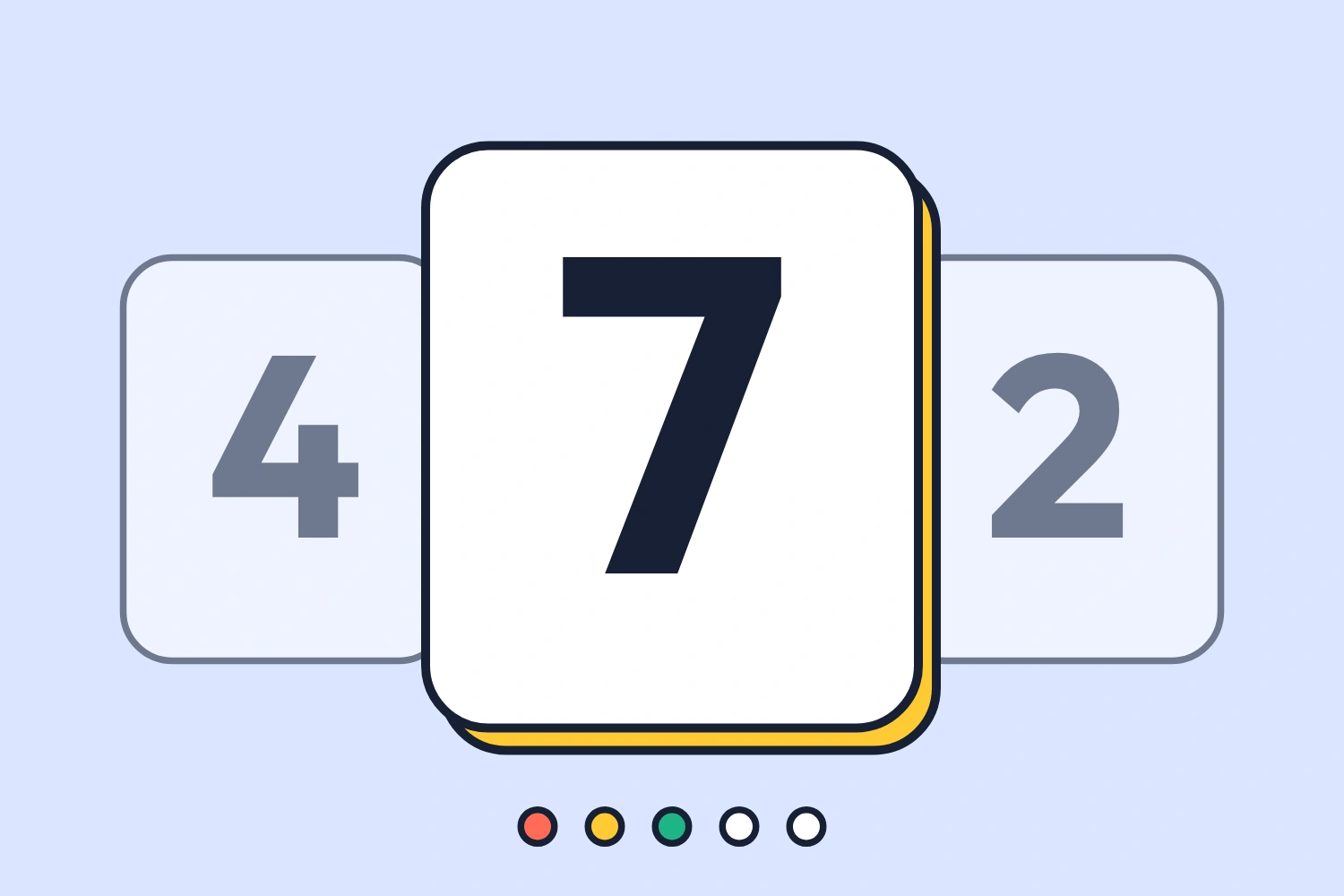
Flash Add
Numbers flash on the screen one at a time. Add them up in your head, then type the total.
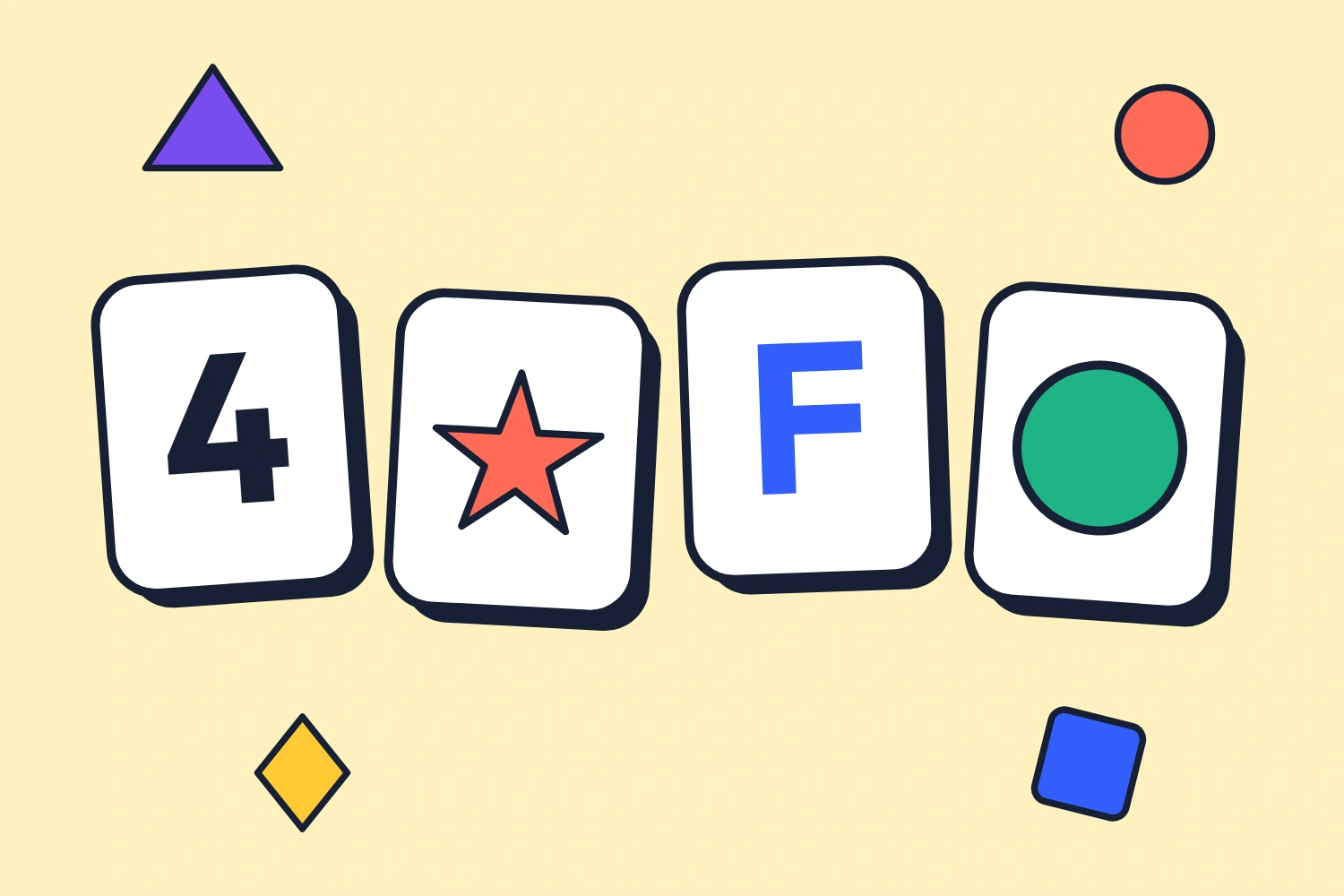
Memory
Numbers, letters and shapes flash together. Find the total, spell the hidden word and count the shapes.
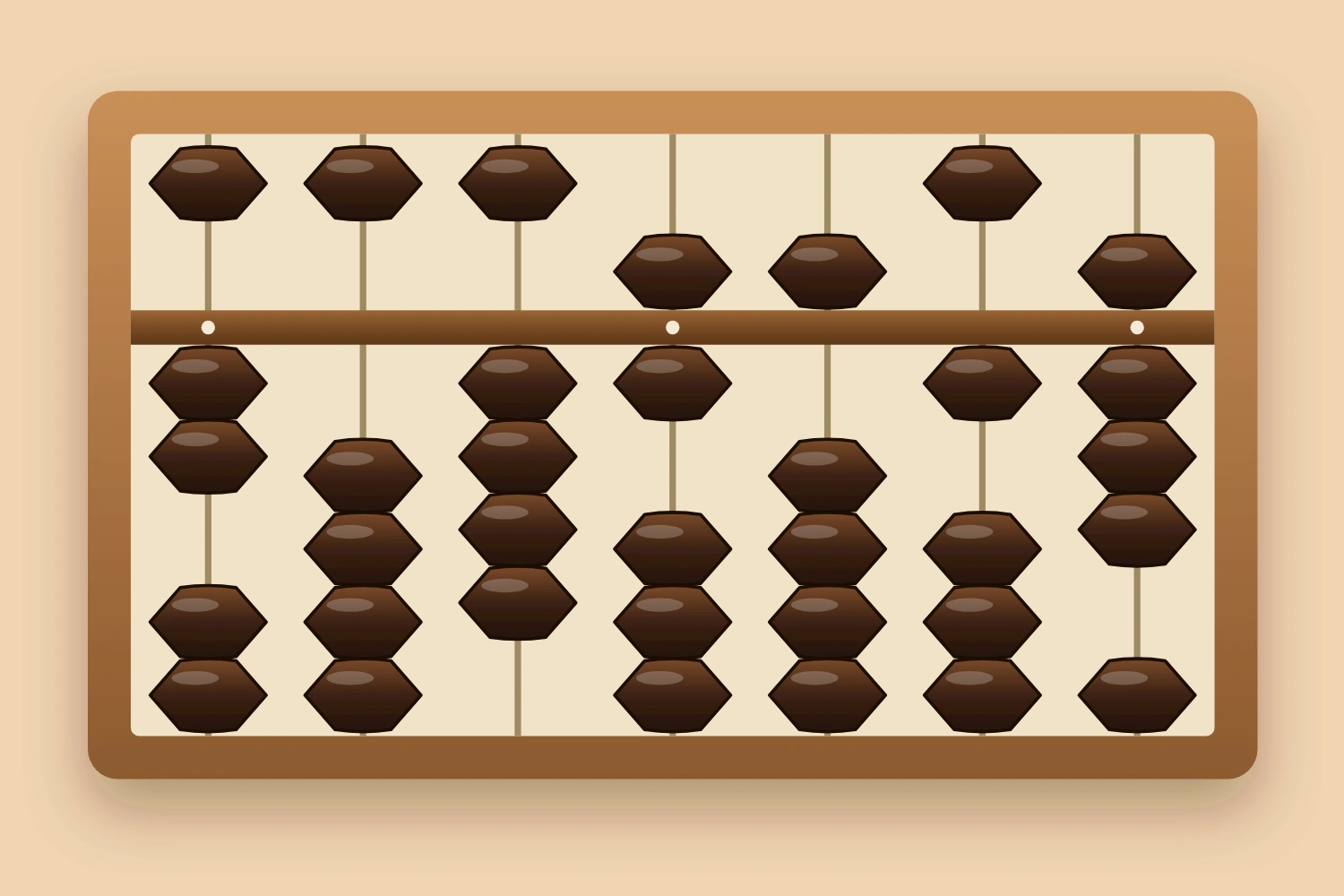
Soroban
Move the beads of a real Japanese abacus and watch the number grow. Then practice reading it.
One-on-One Maths Tutoring
Every child learns maths a little differently. In one-on-one sessions, your child gets a tutor’s full attention, at their own pace, in a calm and encouraging space.

Why NumIQ exists
Quick, confident adding makes the rest of maths easier, and a strong memory helps in every subject. NumIQ turns that practice into short games that children want to play again. It is inspired by traditional mental maths tools such as the soroban (the Japanese abacus) and chisanbop (Korean finger counting).
The first games are Flash Add, Memory and Soroban. They are made for children aged 6 to 12, with gentle starting settings for younger children and tougher levels for older ones.
What we believe
• Short and often. A few minutes a day builds real skill.
• Success first. Every child starts at a speed they can manage, then moves up.
• No pressure. There are no ranks and no timers counting down against the child. The only goal is to beat your own last round.
• Simple and private. No sign-up, no ads, and the games work in the browser.
What is next
More games will be added over time.
Good to know
The games show numbers and shapes appearing and disappearing. If a child has a history of light-sensitive seizures or feels unwell, talk to a doctor first and keep the flashing time slow. Stop at once if a child feels uncomfortable.
A short beep plays with each flash. Every game has a mute button.
These are practice tools for speed, memory and attention. They support classroom maths and do not replace it, and every child improves at their own pace.

Tips for kids
Small tricks that real number-flashers use. Try one at a time.
Add as you go. Don't wait until the end. Say the total in your head after every number: 3, then 7 makes 10, then 2 makes 12.
Make tens. Look for pairs that make 10, like 3 and 7 or 4 and 6. Tens are easy to keep in your head.
Keep your eyes in the middle. Look at the centre of the screen and don't chase the numbers. Your eyes catch them better when they stay still.
Lost it? Let it go. If you miss a number, take a deep breath and aim for the next round. One slip does not matter.
Spell it quietly. Whisper each letter in your head as it appears. By the end you will hear the whole word.
Count shapes on your fingers. Put one finger up for each shape. It keeps the shape count away from the number total.
Two jobs at once. Keep one total for the numbers and one list of letters. Think of them as two boxes in your head.
Guess what the word is. Words can be countries, flowers, animals or food. After three letters, you can often guess the rest.
Top bead is 5. Each rod has one bead worth 5 on top and four beads worth 1 below. Only beads touching the middle bar count.
Right to left. The rod on the far right is ones, then tens, hundreds and so on up to millions.
Read one rod at a time. Start from the left and say each digit. A rod with no beads on the bar is a zero.
Use your fingertips. Move beads with a light touch, like a real soroban player. Quick, small movements win.
Two hands, two jobs. Your right hand shows the ones and your left hand shows the tens.
Thumb is 5, fingers are 1. To show 7, put your thumb down for 5 and two fingers for 2 more.
Try 23. Two fingers on your left hand for the 20, and three fingers on your right hand for the 3.
Same idea as the soroban. Your thumb is the top bead and your fingers are the bottom beads. Practise on your hands, then try the Soroban game.
Little and often. Ten minutes every day beats one long hour on Sunday.
Beat yourself. Your goal is your own last score, not anyone else's. Level up when you get 8 out of 10 three times.
Rest your eyes. Look away from the screen for a minute after each game and have a drink of water.
Have fun. If it stops being fun, stop. You will learn faster when you are relaxed.
Get in touch
Not sure if tutoring is right for your child? Send us a message and we’ll have a friendly chat.